


A Healthier Relationship With Food – and Yourself – Is Possible
Eating disorders are among the most complex and serious mental health conditions – and among the most misunderstood. They are not about vanity or control. They are deeply rooted in pain, identity, trauma, and emotion – and they require specialized support from therapists who truly understand them.
At Empire Psychotherapy in Hamilton, our therapists approach eating disorder treatment with the clinical expertise and human compassion this work demands. We help clients understand the emotional and psychological roots of their relationship with food, develop healthier coping strategies, and rebuild a sense of self that isn’t defined by food, weight, or body image.
We work collaboratively with medical professionals and dietitians when appropriate – because eating disorder recovery is often a team effort.
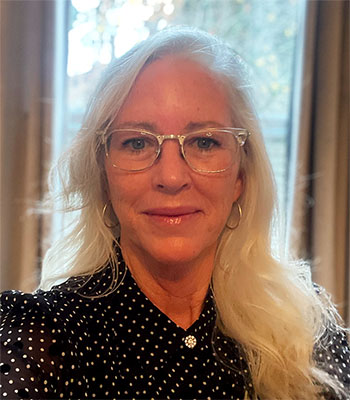
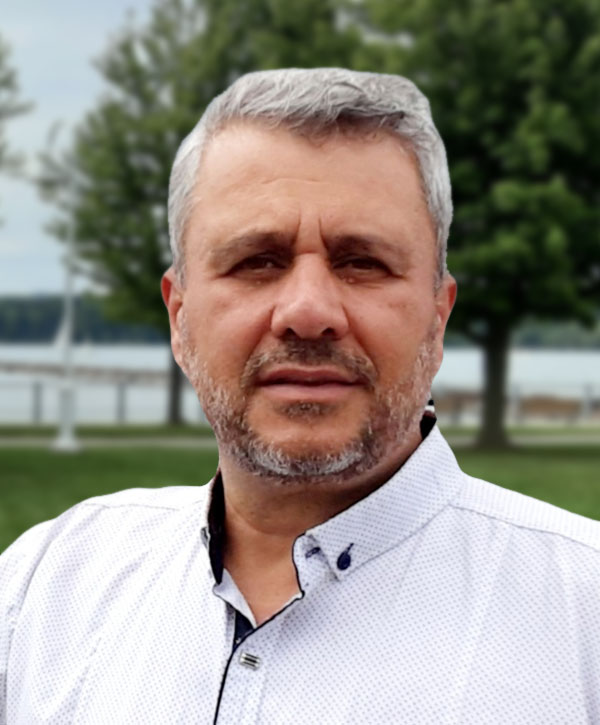
Meet our Therapists
Our registered therapists bring specialized clinical experience to eating disorder treatment – with compassion, expertise, and deep respect for how complex this work is.







Eating Disorders Thrive in Silence
You Deserve Support That Truly Understands.
Shame keeps eating disorders hidden – and hidden eating disorders get worse. Our Hamilton therapists provide a fully confidential, non-judgmental space to begin addressing what’s really going on beneath the surface. We don’t focus on food rules or weight targets. We focus on the emotional patterns, beliefs, and experiences that drive disordered eating – and help you build something more sustainable in their place. In-person in Hamilton or online across Ontario. No referral required.
What Are Eating Disorders?
Eating disorders are serious mental health conditions characterized by persistent disturbances in eating behaviour, body image, and the thoughts and emotions surrounding food and weight. They affect people of all genders, ages, body sizes, and backgrounds – and they carry significant psychological and physical health risks. Eating disorders are not choices or phases. They are complex conditions that develop at the intersection of biology, psychology, relationships, and culture.
Anorexia Nervosa
Characterized by severe food restriction, intense fear of weight gain, and a distorted perception of body image – with serious physical health consequences that often require coordinated medical care.
Bulimia Nervosa
Cycles of binge eating followed by compensatory behaviours – purging, restriction, excessive exercise – driven by shame, distress, and a complex relationship with food and body image.
Binge Eating Disorder (BED)
Recurrent episodes of consuming large amounts of food in a short period, accompanied by feelings of shame, guilt, and loss of control – without compensatory behaviours.
Avoidant/Restrictive Food Intake Disorder (ARFID)
Highly restrictive eating driven by sensory sensitivities, fear of adverse consequences, or lack of interest in food – rather than body image concerns.
Disordered Eating Patterns
Many people live with significant distress around food and body image without meeting the full criteria for a clinical diagnosis. Disordered eating deserves support too.

What is Grief
Interdum et malesuada fames ac ante ipsum primis in faucibus. Maecenas auctor erat et cursus scelerisque. Nam a ante accumsan, egestas augue eu, volutpat velit. Fusce tincidunt a nunc ac mollis.
You don’t have to carry this on your own.
Recovery Is Possible – Even When It Does Not Feel Like It.
Eating disorders are powerful partly because they convince you that you don’t deserve help, or that you aren’t sick enough, or that recovery isn’t possible for you. Our therapists hear this often. And they know how to gently, persistently help you challenge those beliefs and build a different kind of relationship with yourself.

Our Approach to Eating Disorder Treatment
Eating disorder therapy at Empire begins with understanding – your specific history, what the eating disorder does for you emotionally, and what recovery might look like on your terms. We don’t believe in a one-size-fits-all approach, and we won’t make you feel reduced to your symptoms.
We draw on CBT for Eating Disorders (CBT-E), Dialectical Behaviour Therapy (DBT) for emotional regulation, Acceptance and Commitment Therapy (ACT), and trauma-informed approaches when trauma underlies the eating disorder. For clients also working with a physician or dietitian, we collaborate closely to ensure coordinated care.
What Sessions Focus On
- Understanding the emotional and psychological function of the eating disorder
- Challenging distorted thoughts about food, weight, and body image
- Building emotional regulation and distress tolerance skills
- Developing a more compassionate, grounded relationship with your body
- Addressing underlying trauma, anxiety, depression, or identity concerns
- Building a sustainable vision of recovery that feels like yours
Treatment Methods for Eating Disorders


Why Hamilton Chooses Empire for Eating Disorder Support

Specialized Clinical Expertise
Eating disorder treatment requires a distinct skill set. Our therapists are trained in evidence-based approaches specifically developed for these concerns.

Collaborative Care
We coordinate with physicians, dietitians, and other healthcare providers when appropriate – because eating disorder recovery is often a team effort.

A Safe, Shame-Free Space
Our sessions are completely confidential and entirely free of judgment about food, weight, or body. Recovery requires safety – and we provide it.
Questions About Eating Disorder Therapy
Do I have to have a diagnosed eating disorder to come to therapy?
No. If your relationship with food and your body is causing you distress – regardless of whether you meet full diagnostic criteria – that’s reason enough to seek support.
Will therapy focus on my weight or what I eat?
Our sessions focus on the emotional and psychological dimensions of the eating disorder – not on food rules or weight targets. Dietary guidance is best provided by a registered dietitian, and we can coordinate with one.
Do you work with medical providers?
Yes. Eating disorder recovery often requires coordinated care. We work collaboratively with physicians, dietitians, and psychiatrists to ensure our clients receive comprehensive support.
I'm worried someone I love has an eating disorder. Can you help?
Yes. We offer support for family members and loved ones – and can provide guidance on how to approach the conversation and what resources are available.
Is eating disorder therapy covered by insurance?
Many extended health plans cover sessions with registered psychotherapists and social workers. We provide official receipts for all sessions for insurance submission.

Our Locations
Located in Hamilton, Ontario, Empire Psychotherapy offers accessible counselling services with flexible scheduling, including evenings and weekends. We serve clients in Hamilton and across Ontario through both in-person and online therapy appointments.
Hamilton
236 Pritchard Road, Hamilton, ON
Online Therapy
Our therapists are available no matter where in Ontario you call home.
Recovery Isn’t Linear – But It Is Real.
Start Feeling Better.
Our Hamilton therapists offer specialized, compassionate eating disorder support – in a space that is entirely free of judgment. Book a session today. No referral needed, and evening appointments are available.
The Latest from the Blog

Psychologist, Psychotherapist, or Psychiatrist? Who’s Who in Mental Health in Ontario
There are several different types of mental health professionals in Ontario, and each has a different title and a different role. If you’re in Hamilton and exploring your options,
Read Psychologist, Psychotherapist, or Psychiatrist? Who’s Who in Mental Health in Ontario
Start Your Journey to Mental Wellness With Individual Therapy at Empire Psychotherapy
Your path toward mental well-being begins with individual therapy at Empire Psychological. Our team of compassionate therapists is committed to providing you with a supportive and
Read Start Your Journey to Mental Wellness With Individual Therapy at Empire Psychotherapy
Different Types of Anxiety & Treatment Methods
Did you know that 1 in 4 Canadians will experience at least one anxiety disorder in their lifetime? Anxiety can be a broad term for describing a disorder that causes fear and pani
Read Different Types of Anxiety & Treatment Methods