


Understanding Anxiety and Stress
Anxiety is a normal reaction to life’s challenges, but persistent worry or stress can interfere with your well‑being. According to Anxiety Canada, cognitive behavioural therapy (CBT) is considered the gold‑standard treatment for managing anxiety. CBT is an evidence‑based approach that helps you identify unhelpful thoughts and change the behaviours that maintain anxiety. Our therapists also draw on other therapies like exposure therapy and mindfulness techniques to address the specific triggers and patterns in your life.

Therapists Offering Anxiety & Stress Support
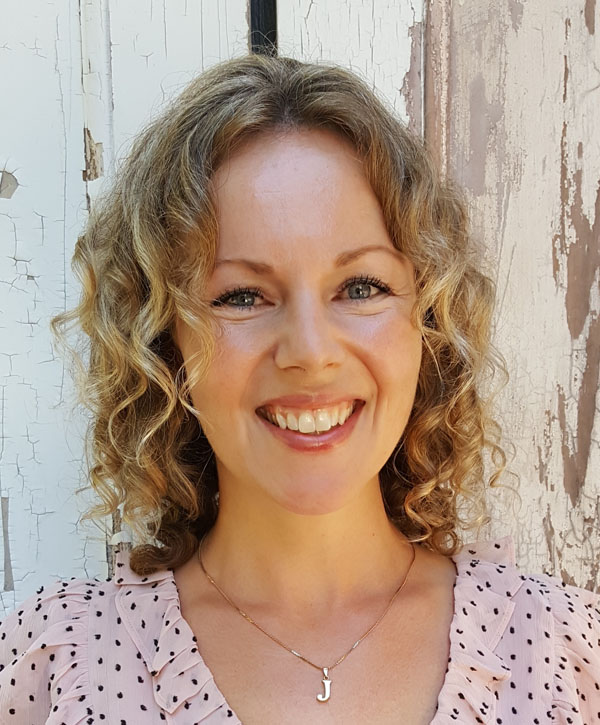



About Anxiety and Stress Therapy
In this section we explain why people seek therapy for anxiety and stress and how treatment can help.
Why seek therapy?
Anxiety disorders affect a significant number of adults and children. Symptoms may include racing thoughts, restlessness, rapid heartbeat, muscle tension, and trouble sleeping. When anxiety interferes with work, relationships, or everyday activities, therapy can provide tools for relief. CBT focuses on present‑day problems and teaches you skills to manage anxious thoughts and behaviours. Exposure therapy gradually helps you face feared situations until the anxiety diminishes. Mindfulness and breathing exercises can activate the relaxation response and reduce stress.
How therapy helps
Working one‑on‑one with a therapist allows you to explore the root causes of your anxiety and stress. CBT sessions involve examining how your thoughts influence your feelings and behaviours. By identifying negative patterns, you can replace them with more helpful thoughts and coping strategies. Exposure therapy helps desensitize you to triggers and build confidence. Mind‑body techniques like deep breathing and mindfulness teach you to calm your nervous system and stay grounded. Our therapists adapt these approaches to your unique needs.
Benefits of Anxiety and Stress Therapy
Reduced Symptoms
CBT and exposure therapy reduce anxiety symptoms for many people. Regular sessions can lead to fewer intrusive thoughts, less muscle tension, and improved sleep.
Through therapy you learn to identify triggers and practise relaxation techniques, leading to less panic and worry over time.
Improved Coping Skills
Therapy provides practical tools such as thought‑challenging techniques, problem‑solving skills, and relaxation methods. These skills help you manage stress at home, work, or school.
With guidance from your therapist, you practise mindfulness and breathing exercises that activate the body’s relaxation response. Over time, these techniques become habits that support long‑term well‑being.
Greater Well‑Being
As you gain control over anxiety and stress, your overall quality of life improves. Clients often report higher energy, better concentration, and stronger relationships after engaging in therapy and mind‑body practices.
Therapy also builds resilience by helping you adopt healthier thinking patterns and habits. Exposure therapy and mindfulness encourage confidence and flexibility when facing challenges.
Take the first step to a calmer mind
Start Feeling Better.
Anxiety and stress can make life feel overwhelming, but therapy offers a clear path to relief. Our therapists in Hamilton and across Ontario provide compassionate care to help you understand your anxiety, develop coping strategies, and build resilience. Start feeling better by booking an appointment today.

Our Approach to Anxiety and Stress Therapy
Empire Psychotherapy tailors treatment to your individual needs. During your initial sessions, we listen to your concerns and explore the patterns of your anxiety and stress. Together, we create a plan that may include CBT, exposure therapy, mindfulness training, and lifestyle changes. CBT sessions focus on identifying and changing unhelpful thoughts and behaviours. Exposure therapy helps you gradually face feared situations in a safe and supportive environment. Mind‑body techniques, such as breathing exercises, mindful walking, and tai chi, activate the body’s relaxation response and reduce stress.
We also recognize that anxiety often co‑exists with other concerns like depression, trauma, or health issues. Our therapists collaborate with medical professionals and other specialists when needed. Sessions can take place in our Hamilton clinic or online, ensuring accessibility for clients across Ontario. We create a supportive environment where you can practice new skills and celebrate your progress.

Common Questions About Anxiety and Stress Therapy
What type of therapy is most effective for anxiety?
Cognitive behavioural therapy (CBT) is widely regarded as the most effective psychological treatment for anxiety. It helps you change unhelpful thoughts and behaviours. Other approaches like exposure therapy and mindfulness-based techniques can also be beneficial. Our therapists often combine methods to suit each individual.
How long does anxiety therapy take?
The duration varies depending on the severity of symptoms and your goals. Many people see improvement within 8 to 12 sessions, especially when exposure therapy is involved. Some clients benefit from longer-term support to maintain progress and address underlying issues.
Do I need medication?
Medication is sometimes used in combination with therapy for severe anxiety, but many people experience significant relief through therapy alone. Our clinicians can discuss options and, if necessary, collaborate with your family doctor or psychiatrist.
Can therapy help with stress that is not related to anxiety?
Yes. Therapy offers tools to manage general stress, including relaxation techniques and cognitive strategies. Even if your stress is not linked to an anxiety disorder, learning how to cope effectively can improve your overall well‑being.
Are online sessions effective?
Absolutely. Online therapy provides access to the same evidence‑based techniques and compassionate support as in‑person sessions. Many clients appreciate the flexibility and convenience of virtual appointments.
History of Anxiety and Stress Therapy
Evolution of Treatment
People have sought relief from anxiety and stress for centuries. Early approaches focused on talk therapy and relaxation. Over the past few decades, cognitive behavioural therapy emerged as a gold‑standard treatment for anxiety disorders. CBT helps clients understand how their thoughts influence feelings and behaviours and teaches practical skills to reduce anxiety. Exposure therapy and mindfulness practices later became important additions, offering structured methods to face fears and calm the nervous system.
A Modern Approach in Canada
Today, evidence‑based therapies guide anxiety and stress treatment across Canada. Guidelines emphasise CBT, exposure therapy, and mind‑body techniques as effective interventions for anxiety and stress. With virtual care options, more people can access therapy, making it easier to seek help and develop resilience.
You don’t have to carry this on your own.
Ready to Take the Next Step?
Finding the right support can transform how you feel day to day. If anxiety or stress is interfering with your life, reach out for professional help. Our therapists in Hamilton and across Ontario offer compassionate, evidence‑based care tailored to your needs.